What Is Blockchain? Explained Simply for Beginners in India (2026)

What Is Blockchain?
If cryptocurrency is the headline, blockchain is the engine behind it.
Blockchain is a digital ledger technology that records transactions across multiple computers in a secure and transparent way.
Unlike traditional databases controlled by one authority (like a bank), blockchain is decentralized.
No single entity controls it.
That’s what makes it powerful — and disruptive.
How Blockchain Works (Simple Version)
Let’s break it down step by step.
- A transaction is requested.
- The transaction is broadcast to a network of computers (nodes).
- The network validates the transaction.
- A verified transaction is grouped into a “block.”
- The block is added to a chain of previous blocks.
- The record becomes permanent.
Each block contains:
- Transaction data
- Timestamp
- A cryptographic hash (unique ID)
Once added, it cannot be altered easily.
That’s why blockchain is considered secure.
Why Is It Called “Blockchain”?
Because it is literally:
Block → Block → Block → Chain.
Each block connects to the previous one using cryptographic signatures.
If someone tries to change a block, the entire chain breaks.
This makes tampering extremely difficult.
Blockchain vs Traditional Banking System
| Feature | Blockchain | Traditional Bank |
|---|---|---|
| Control | Decentralized | Central authority |
| Transparency | Public ledger | Private records |
| Speed | Depends on network | Limited by bank hours |
| Security | Cryptography-based | Institutional systems |
Blockchain removes intermediaries.
That reduces cost — but increases responsibility.
Real-World Uses of Blockchain in India
Blockchain is not only for crypto.
1. Banking & Payments
Cross-border payments become faster and cheaper.
2. Supply Chain
Tracking goods from source to customer.
3. Healthcare
Securing patient records.
4. Government Records
Land registry systems (some Indian states are exploring this).
5. Smart Contracts
Automated agreements without lawyers or paperwork.
India is slowly experimenting with blockchain, but adoption is still evolving.
Is Blockchain Safe?
The technology itself is secure.
However:
- Crypto exchanges can be hacked.
- Users can lose private keys.
- Smart contracts can contain bugs.
Blockchain security is strong. Human error is the weak link.
Public vs Private Blockchains
Public Blockchain
- Open to everyone
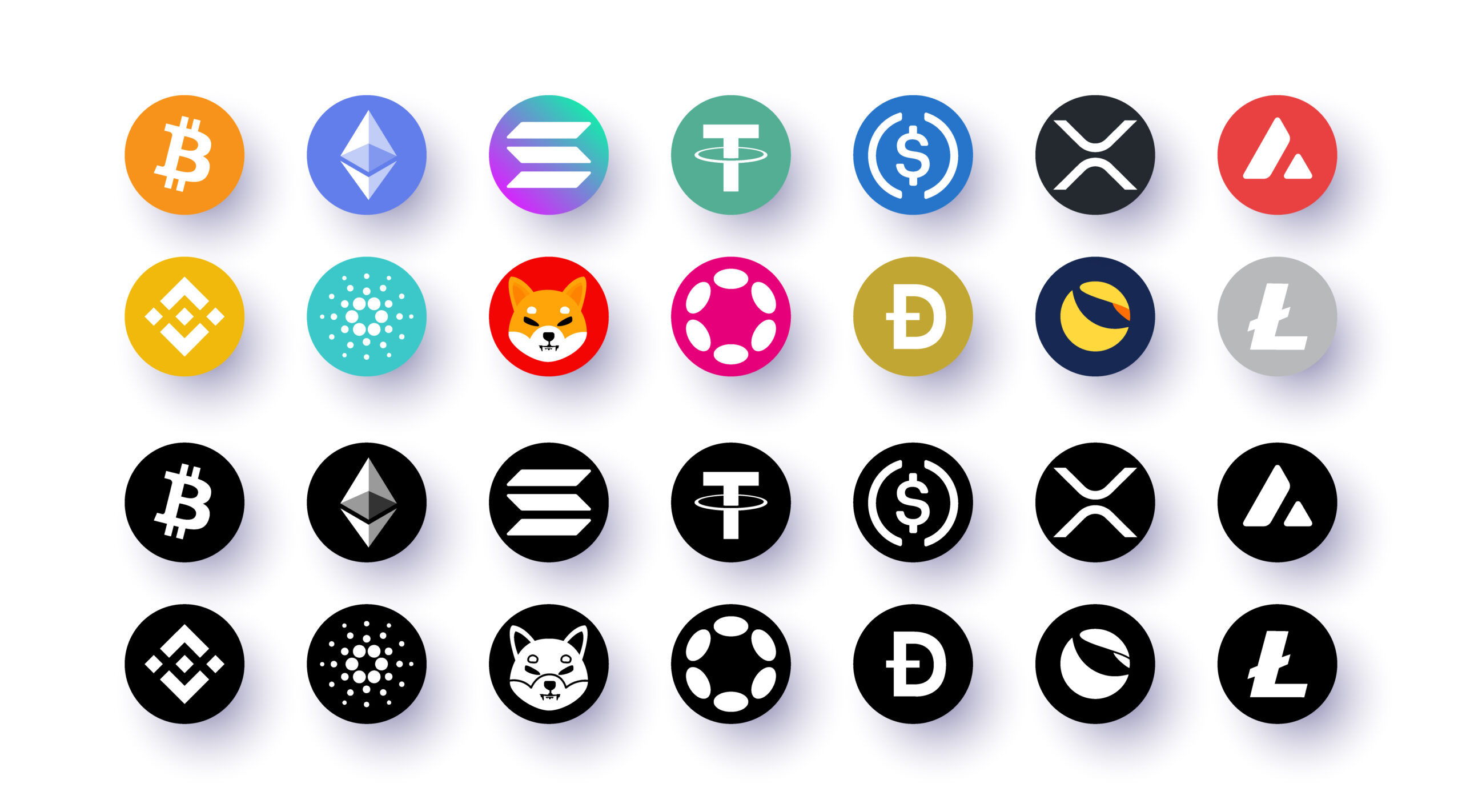
- Example: Bitcoin, Ethereum
Private Blockchain
- Controlled access
- Used by companies
Businesses prefer private versions for operational control.
Common Misconceptions
❌ Blockchain and Bitcoin are the same.
→ Bitcoin uses blockchain. They are not identical.
❌ Blockchain guarantees profit.
→ It’s a technology, not an investment scheme.
❌ It cannot be hacked.
→ The system is strong, but applications can have vulnerabilities.
The Future of Blockchain in India
With rising digital payments and government interest in digital infrastructure, blockchain may expand in:
- Fintech
- Insurance
- Digital identity
- CBDCs (Central Bank Digital Currency)
India’s digital economy is growing rapidly — blockchain could play a long-term role.
Final Thoughts
Blockchain is not just a trend. It’s a foundational digital technology.
But like all new systems, adoption takes time.
Understanding blockchain today gives you an advantage in tomorrow’s digital economy.