
What Is Cryptocurrency? A Beginner-Friendly Guide for India (2026)

Cryptocurrency is one of the most discussed financial innovations of the last decade. From college students to startup founders, everyone in India has heard of Bitcoin — but very few actually understand how cryptocurrency works.
Let’s break it down clearly.
Cryptocurrency is a digital asset designed to work as a medium of exchange, secured by cryptography and powered by blockchain technology. Unlike traditional money issued by the Reserve Bank of India (RBI), cryptocurrencies are decentralized — meaning no central authority controls them.
That’s the attraction. And also the risk.
How Does Cryptocurrency Work?
At the core of cryptocurrency is blockchain technology.
A blockchain is a digital ledger that records transactions across thousands of computers. Once a transaction is recorded, it cannot easily be altered. This makes crypto transactions transparent and tamper-resistant.
Here’s the simplified process:
- A user initiates a transaction.
- The transaction is verified by a network of computers (called nodes).
- The verified transaction is added to a block.
- The block is added to the blockchain permanently.
No bank. No middleman. Just code and network consensus.
That’s powerful.
Popular Cryptocurrencies in India
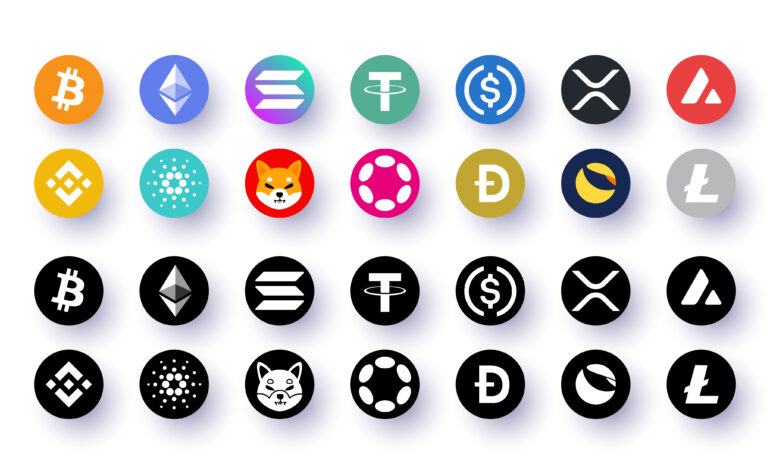
While there are thousands of cryptocurrencies, a few dominate the market:

- Bitcoin (BTC) – The first and most well-known cryptocurrency.
- Ethereum (ETH) – Known for smart contracts and decentralized apps.
- Solana (SOL) – Faster and lower transaction costs.
- Ripple (XRP) – Designed for cross-border payments.
In India, most investors start with Bitcoin or Ethereum before exploring smaller coins.
Is Cryptocurrency Legal in India?
This is the most common question.
As of 2026, cryptocurrency is not illegal in India, but it is regulated through taxation.
Key points:
- 30% tax on crypto profits
- 1% TDS on transactions above a certain threshold
- No set-off of losses against other income
The government has not banned crypto, but it has made speculative trading less attractive through taxation.
This signals caution — not endorsement.
Why Are People Investing in Crypto?
Despite volatility, crypto attracts investors because:
1. High Growth Potential
Bitcoin went from a few rupees to lakhs per coin over the years.
2. Decentralization
No central authority controls supply.
3. Global Access
Anyone with internet access can buy crypto.
4. Blockchain Innovation
Beyond money, blockchain enables smart contracts, NFTs, and decentralized finance (DeFi). But potential returns come with serious risks.
Risks of Cryptocurrency (Often Ignored)
Here’s the expert reality:
1. Extreme Volatility
Crypto prices can drop 20–40% in a single day.
2. Regulatory Uncertainty
Global regulations are still evolving.
3. Security Risks
If you lose access to your crypto wallet, recovery is almost impossible.
4. Scams
Fake tokens, pump-and-dump schemes, and phishing attacks are common.
Crypto is not a guaranteed wealth shortcut. It’s a high-risk digital asset class.
How to Buy Cryptocurrency in India
The basic process:
- Choose a crypto exchange (Indian or global).
- Complete KYC verification.
- Deposit INR.
- Buy cryptocurrency.
- Store in an exchange wallet or a private wallet.
For beginners, using a regulated exchange is safer than peer-to-peer platforms.
Cryptocurrency vs Traditional Investments
| Feature | Cryptocurrency | Stocks |
|---|---|---|
| Regulation | Limited | Heavily regulated |
| Volatility | Very High | Moderate |
| Ownership | Digital token | Company share |
| Operating Hours | 24/7 | Market hours |
Crypto is more speculative. Stocks represent real business ownership. Smart investors understand this difference.
Should Beginners Invest in Cryptocurrency?
Here’s the balanced view:
If you are:
- Looking for quick guaranteed returns → Crypto is not for you.
- Willing to tolerate high volatility → It may be part of a diversified portfolio.
- Curious about blockchain technology → It’s worth understanding.
A cautious approach is to allocate only a small percentage of your portfolio to crypto. Never invest money you cannot afford to lose.
The Future of Cryptocurrency in India
India has one of the largest crypto user bases in the world. Despite regulatory pressure, adoption continues.
The long-term future likely depends on:
- Government policy clarity
- Development of central bank digital currency (CBDC)
- Global regulatory frameworks
- Real-world blockchain applications
Crypto isn’t disappearing. But it’s evolving.
FAQs
Is cryptocurrency safe?
It depends on how you store it and your risk tolerance. The technology is secure, but markets are volatile.
Can I buy cryptocurrency legally in India?
Yes, through registered exchanges, but profits are taxed.
Is Bitcoin better than Ethereum?
Bitcoin is considered digital gold, while Ethereum powers decentralized applications.
How much should a beginner invest?
Only what you can afford to lose. Start small and learn first.
Final Thoughts
Cryptocurrency is not magic money. It is a high-risk, high-reward digital innovation built on blockchain technology.
For Indian investors, the smartest move is education first, investment second.
Understand the technology. Respect the volatility. Stay cautious.